Santos in 2032 – The Great Tourism Experience!

April 11, 2021 – Peter van Barneveld | Reading Time: 5 minutes

It is a beautiful summer evening in February, in the year 2032. I sit with my family at the beach in Santos and we are enjoying a coconut water. From this place at the beach, we have a magnificent view on the colorful light bubbles. They are so wonderful to see in real. Especially when you know that microbial fuel cell technology generates energy from the water to power the lights.
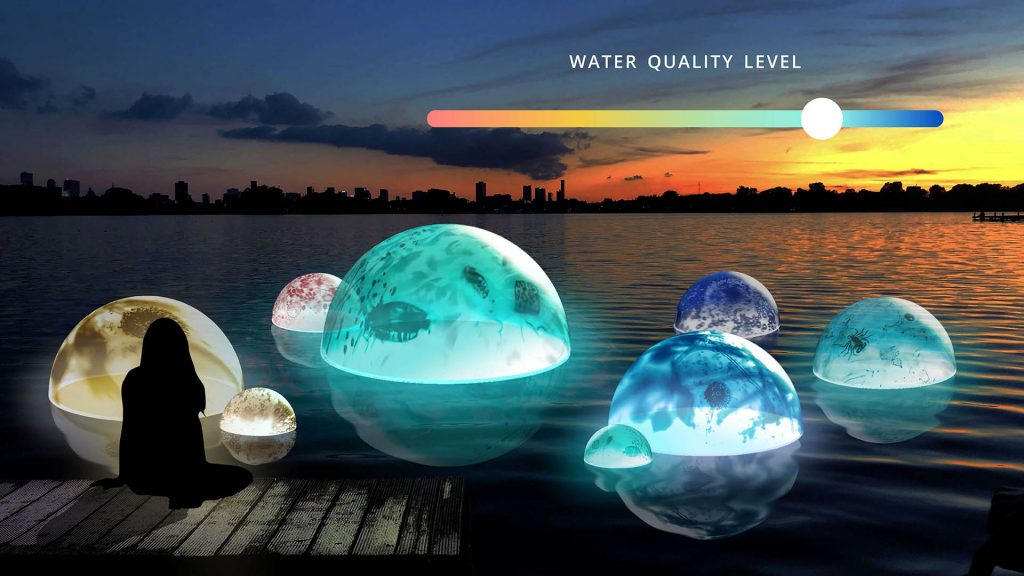
santos light bubbles
Design by Ermi van Oers – Nova Innova and in collaboration with Water Sensitive Rotterdam en Hoogheemraadschap Schieland en de Krimpenerwaard.

The color bubbles also use the energy to measure the water quality, where the color of the light visualizes the wellbeing of the water. Santos realized this project ten years ago, in 2022. It was part of a bigger plan to attract more tourists.

We still make jokes in the family about the first results. The red color of the bubbles showed that the quality of the water was extremely poor. When tourists started to ask what the color of the light meant, Santos didn’t like to tell that it was visualizing the bad water quality.

Santos’ Hydrogen Journey

That moment was decisive for Santos to do something about the water quality. What started as a plan to attract tourists, transformed into a bigger plan where the well-being of the environment was equally important. To improve the water quality Santos wanted to get rid of ships powered by oil. Instead of forbidding the dirty ships, they created an environment to welcome hydrogen ships, and stimulate their coming.
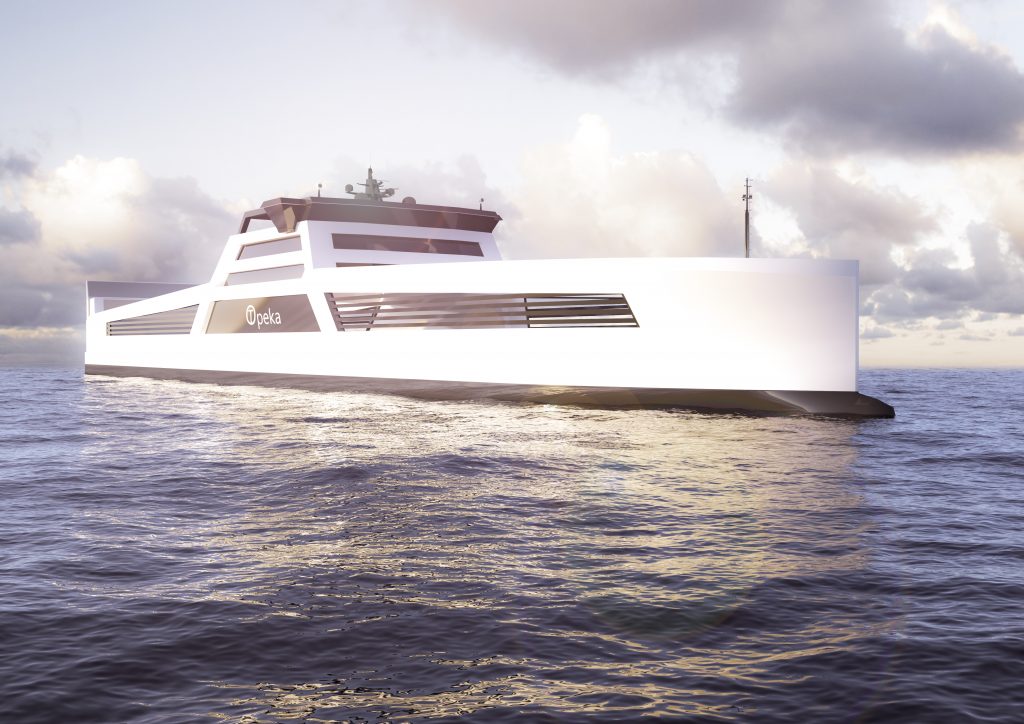
Hydrogen Ship
Photo credits: Wilhelmsen

To welcome the hydrogen ships they build worlds first hydrogen fuel station for ships, where hydroelectric power produces the green hydrogen! To drive the coming of hydrogen ships, Santos lowered the tax for docking the hydrogen ships. Santos was convinced they could finance this by the extra income streams coming from tourists.

Hydrogen Tourist Tour

What great about this project is that they designed and the developed the needed infrastructure, platforms, and hydrogen transport ships with a great focus on tourism. Two days ago, I did the hydrogen ship tour with my family. The tour begins with boarding a hydrogen transport ship, which lays close to the beach.

First, we sailed to the hydroelectric dam, where they produce the green hydrogen. The environment we sailed through is so fabulous, that we really could experience the beautiful nature of Brazil close to a big city like Santos.

Photographer: Ernani Baraldi – Licensed under CC BY 2.0

At the dam we went of the ship to get a tour through the hydrogen production facility. They explained how they generate the energy with the power of the falling water, and how they transform the energy into hydrogen. It’s great to see how all these different technologies are combined to produce the green hydrogen.

Before we jumped onboard the ship again, they asked the kids of the tourist group to help with loading hydrogen into the transport ship. After the ship was fully loaded, we sailed to the hydrogen fuel station in the port of Santos.
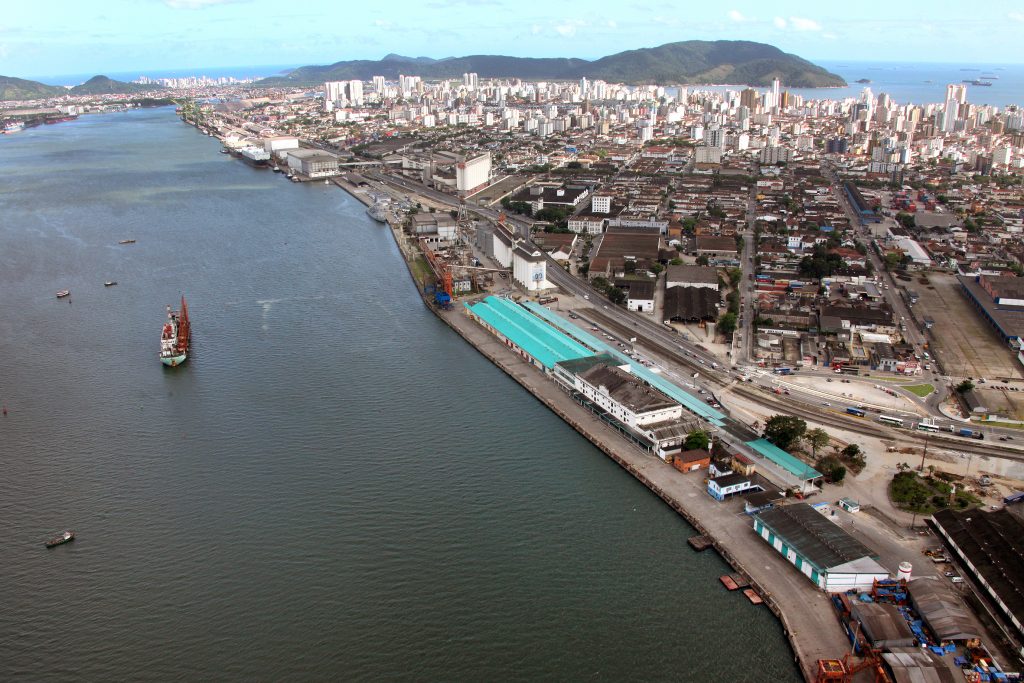
Santos port porto
Photo credits: www.imagensaereas.com.br | Photographer: Sergio Furtado

It was incredible to see that the kids couldn’t stop talking about loading the tourist ship with hydrogen. They really took part in it, by pressing all kind of buttons to start and stop the hydrogen filling process. Luckily, it is not possible for the kids to press the wrong buttons, because by the start of the process design, they considered that tourists could experience interacting with it. While sailing to the fuel station, the kids were already looking forward for the arrival, because they could participate again!

Santos did a fantastic job by designing this tourist experience with a smart focus on kids. The tour increased the number of tourist visits, which makes it an enormous success for Santos!

Now we are sitting here at the beach, and while we talk about this remarkable tourist trip, the lightbulbs showing us the results of this journey. The color of the bulbs is green which means the water is extremely healthy!
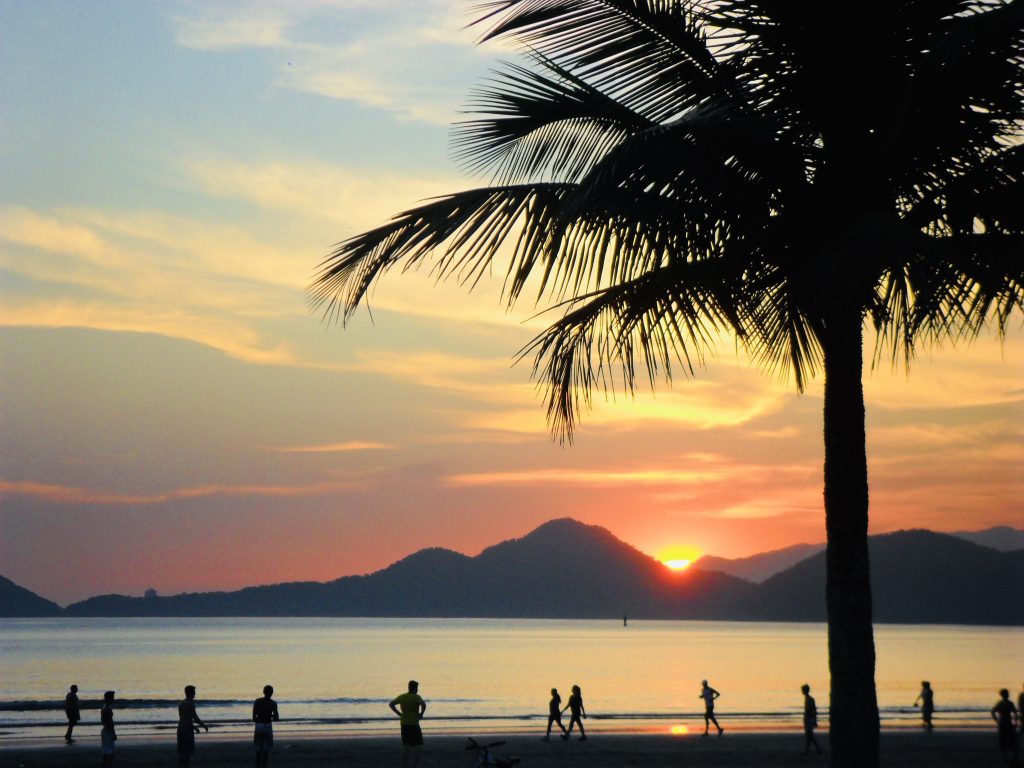
Santos beach praya
Photographer: Eloise Fagundes

Afterword

Even though the story is fiction, it is all based on future signals. So maybe this future is closer then you think.

Please let me know what you think about living in this future. Or if you are curious how this future will help you, or your organization. You can contact me by using the contact form, or send me a message by LinkedIn or Instagram.

Thanks for taking the time to read my future story!

Peter van Barneveld

Future Signal Sources

Nova Innova – POND floating lights
POND – | Dutch Design Week
Special thanks to Ermi van Oers for providing the beautiful images of the POND project.

Topeka ship
Wilhelmsen’s Topeka hydrogen project awarded NOK 219 million
Special thanks to Marius Steen for providing the beautiful images of the Topeka ship.

Hydrogen produced by hydropower
First green hydrogen project becomes reality: thyssenkrupp to install 88 megawatt water electrolysis plant for Hydro-Québec in Canada


Utrecht in 2030 – The Green Beauty!

January 2, 2021 – Peter van Barneveld | Reading Time: 5 minutes

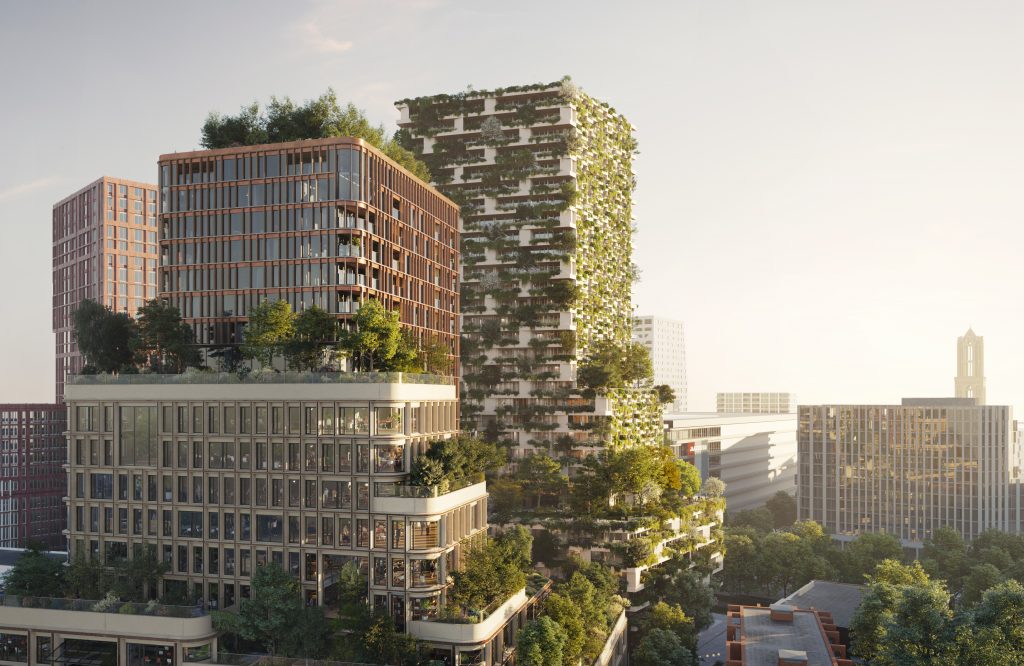
It is a sunny Sunday morning in June in the year 2030. I am sitting in my roof garden, drinking a nice cup of tea with honey. I feel such a proud feeling when I look around. From here, I have this amazing view over the city center of Utrecht, and nowadays the view is all covered by green! So many garden roofs and walls, with the most beautiful plants and exotic flowers, makes me feel I am living in a forest. Of course, it is not the same as being in a real forest, but I remember going there was necessary for me to feel happy. Since I live in the middle of a green urban environment, I am almost not going anymore.

Utrecht in 2030 - The Green Beauty!
Vertical Forest designed by Stefano Boeri Architetti

Utrecht’s Green Building Policy

As many other cities in the world, Utrecht decided in the 20s to have a green building policy, what means that every owner of a house, apartment, or commercial building, needs to have roof garden, or a vertical garden wall. The positive effects of the “green” buildings, and especially related to the health of the citizens, made cities decide to implement green policies.

Luckily, Utrecht decided to give priority on helping each other in realizing the green buildings, instead of giving fines for those who could not. In other cities the effect of giving fines was that citizens were moving out, because they could not afford the realization of this projects. Utrecht encouraged people to help each other. Based on the results of it, the helpers were discounted on their energy tax.

Photographer: StockSnap

Utrecht uses very smart technology and processes, to avoid the abuse of the discount system. Citizens can inform the local government of a realized green roof or wall, and proof their given help, by using a simple app on their phones. The city confirms the realization by scanning the houses or buildings with drones, to compare the scan with the known “green” state. Before they implemented the green policy, drones were used to create blueprint scan, so the city knows the green state of all the properties.

The helpers prove their help by uploading invoices regarding to the products and equipment needed. If owners and/or helpers are getting caught on an abuse, they get a very high fine. So far, there is no single notice of abuse.

Vertical Forest designed by Stefano Boeri Architetti

Vertical forest buildings

Another amazing view in the city is the look of the vertical garden towers. Since the realization of the Greenwoods project, multiple new vertical forest building projects are realized. Besides the amazing look of the buildings, I love the fact that measuring devices in the forest buildings, are powered with energy coming from the plants.

Living Light lamp by Nova Innova & Plant-e – www.livinglight.info | photo credits: Ermi van Oers

What started as an invention from Plant-e, is now evolved into a successful measuring system powered by plants. They are part of the automated climate and ecological systems of the buildings, to auto adjust the temperature and humidity inside. The system also provides water to the plants, where rainwater is the primary source of water, and if there is not enough, tap water will be used.

Bees

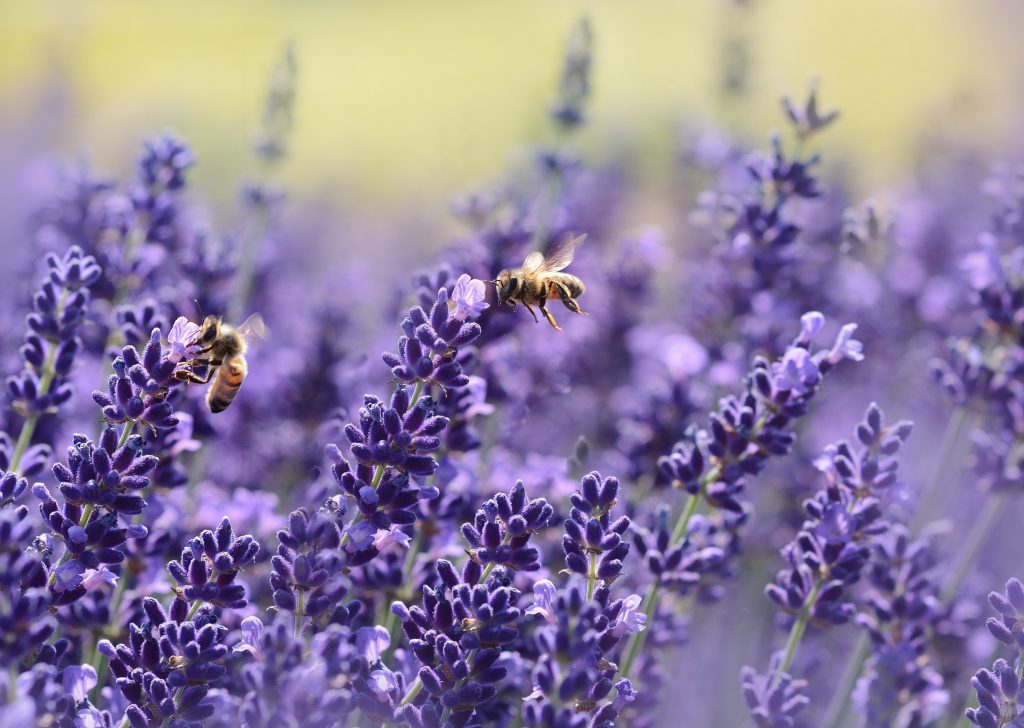
While I am daydreaming and thinking about these great developments in the city, a bee is checking my honey tea. They are so cute! It is incredible that we humans work together with the bees. To realize the green buildings, we choose the plants and exotic flowers they like the most. Also, the architects of the vertical forest buildings have a great eye for the ecological wishes of the bees in their designs, such as protecting them for the wind.

Photographer: Rebekka D

The effect of this all is that the population of bees has grown to an outstanding number and their ecological habitat is flourishing. In return, they help us by pollinating, what is needed for plants to reproduce. Another nice advantage is their honey. The number of people who have a small beehive increases, what is perfect to create a small amount of homemade honey. The one I have in my tea is a nice gift from the neighbors.

The honey is not only good for consumption. Instead of using al kind of fancy tech to measure pollution, Utrecht uses the honey from the bees to measure the pollution in the city. Fortunately, the results shows us that nowadays there is almost no pollution anymore. What is good for us, and for the total ecosystem, including the bees. Almost unbelievable that we are in an upward spiral. The amazing progress of the green urban forest makes me believe that Utrecht will be one of the first climate neutral cities in the world!


Afterword

Even though the story is fiction, it is all based on future signals. So maybe this future is closer then you think.

Please let me know what you think about living in this future. Or if you are curious how this future will help you, or your organization. You can contact me by using the contact form, or send me a message by LinkedIn or Instagram.

Thanks for taking the time to read my future story!

Peter van Barneveld

Future Signal Sources

Project Greenwoods
https://www.stefanoboeriarchitetti.net/en/project/wonderwoods/

Special thanks to Stefano Boeri Architetti and Francesca Raimondi for providing the beautiful images of the GreenWoods project.

Living Light
https://livinglight.info/

Special thanks to Ermi van Oers for providing the beautiful images of the Living Light.

Plant-e
https://www.plant-e.com/en/

Honey bees can help monitor pollution in cities
https://phys.org/news/2019-03-honey-bees-pollution-cities.html

Bees in the city
https://theconversation.com/bees-in-the-city-designing-green-roofs-for-pollinators-84688

Green Roof Policies
https://earth911.com/home-garden/green-roof-policies-are-a-growing-trend/